Cross-border feature
‘The uncertainty made everything worse.’ How COVID shattered Polish students’ mental health
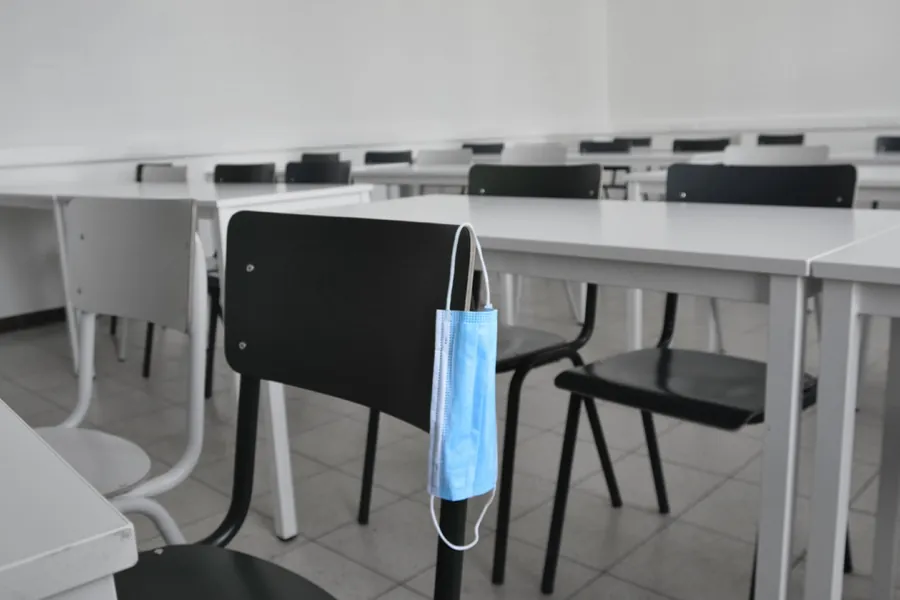
It's the spring of 2020. The coronavirus is spreading fast across the globe, and governments are going into panic mode. Poland is no exception. The country goes into full lockdown - not once, not twice, but three times in a little over a year, causing more than 80 percent of Polish students to develop symptoms of mental health issues. Five years after the lockdowns started in Poland, the pandemic’s effects on Polish students' lives remain significant.
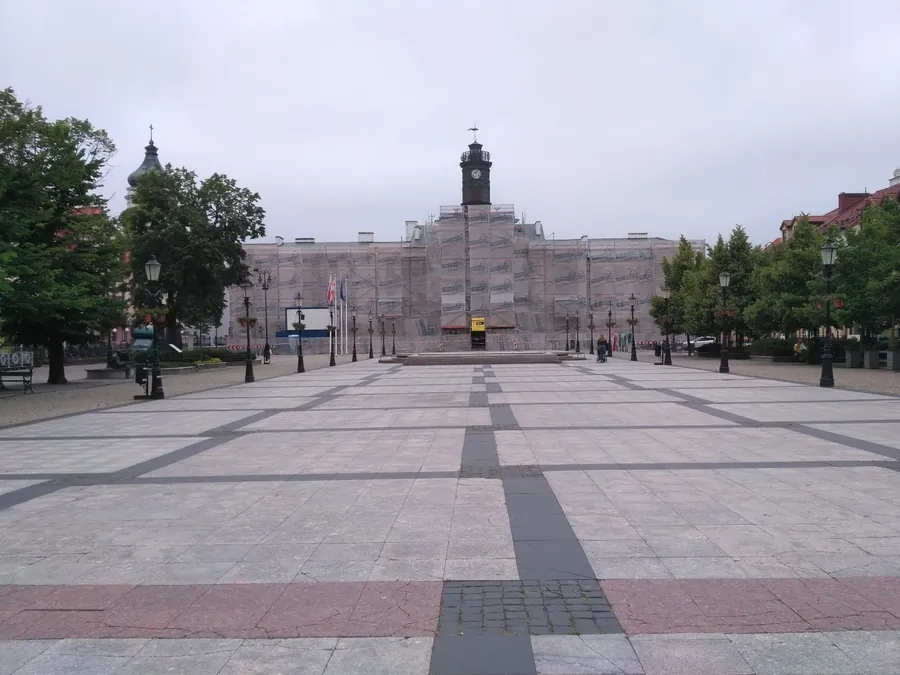
The first lockdown
12 March 2020.
A 57-year-old woman becomes the first person to die from COVID-19 in Poland. The same week, schools and universities close down across Poland, and events are cancelled.
“At first, I thought it would just be a short break from school, like an unexpected vacation,” recalls Szymon, 22.
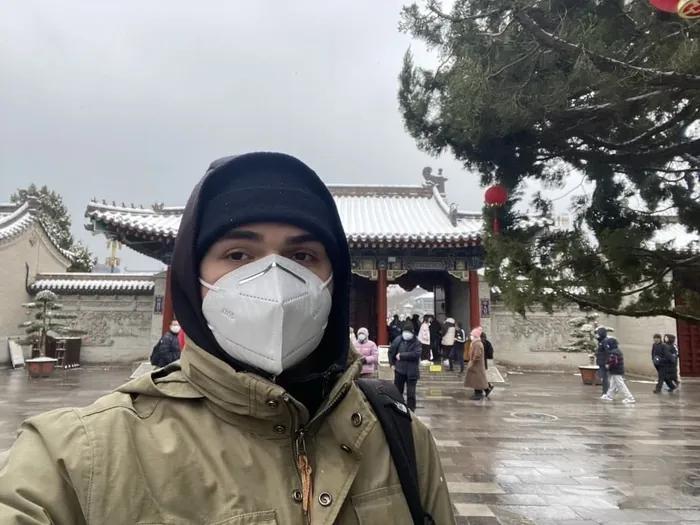
Szymon is currently studying Asian Studies in Warsaw and says his life before COVID was “fairly balanced.” “Of course, there were moments of frustration, maybe a bad grade that felt like the end of the world. [...] But mental health was never a major struggle for me. Life felt stable.”
But then everything changed.
His initial excitement of staying home quickly turned into dread as the lockdown became reality. “I couldn't see my friends in person. The video calls just weren't the same. [...] My routine collapsed, the days blurred together. I wake up, stare at the screen, and go to sleep.”
Szymon remembers that at first he didn’t notice that his mental health was getting worse. To him, it felt like a “slow and steady weight” was pressing down on him. He only recognized the severity of the situation when the isolation and uncertainty started taking their toll.
“By late 2020, I realized I wasn't feeling like myself anymore. I wasn't as excited about things. I avoided talking to people. I felt tired all the time, even though I wasn't doing that much. That's when it really hit me that my mental health had changed.”
Not the only one
Szymon wasn’t the only one. A study comparing the mental health of Polish students before and after two years of the pandemic found symptoms of severe depression had more than quadrupled, while symptoms of anxiety and insomnia had increased more than twofold.
Anxiety and Insomnia
Severe Depression
Source: study on Polish students’ mental health before and after two years of the pandemic
School through a screen
Adding to these problems was the stress that came with homeschooling. As teachers and students weren’t able to meet physically, online classes became the new norm. But for many students, the quality of their education declined.
Students like Anna, 22. She says she didn’t have many problems in school before the pandemic. But when her class switched to online learning, she couldn’t adapt at all. “I hadn't left home at all for like half a year. I was stuck in a room without a window and with my brother, who would sometimes disturb me during classes. I wasn't learning anything most of the time. [...] The quality of learning got really bad.”

Around the same time, Anna says her mental health declined. Just like for Szymon, she describes a gradual process that just got worse and worse. She started performing worse in school, and as it was her final year, she says she was afraid that she wouldn’t graduate.
“It became easy to fall behind,” Szymon remembers. “Exams still happened, but without proper preparation. We were expected [...] to perform, as if things were normal, when nothing felt normal.”
The Polish government tried to ease the burden by postponing or cancelling the Matura exams of 2020. But an investigation by the Supreme Audit Office of Poland (NIK) found that officials didn’t do enough to ensure schools provided proper education during COVID.
Szymon also mentions that “teachers struggled to adapt” and that “a lot of lessons felt unstructured.” “Some just uploaded their PowerPoints and called it a day. Others tried live classroom lessons, but those were awkward. Half the class had their cameras off, no one wanted to speak, and it felt like we were all just pretending to be engaged.”
Teachers struggled too
And not only students felt overwhelmed by the sudden change to homeschooling. Marcin, 42, is an English teacher at a secondary school and says the whole experience of teaching online was “frustrating” for him. “My lessons were mostly lectures, I didn’t know who was listening and who was not. I couldn’t see and react properly to the students' needs. [...] None of them had their camera on, and quite often we faced ‘microphone problems’, so most of the time, I was frustrated.”
The 2022 PISA study showed that troubles of homeschooling negatively affected the quality of education. Polish students lost more than a full year of education in reading and mathematics, which is one of the worst declines in Europe. For students in their final year of high school, this was especially challenging.
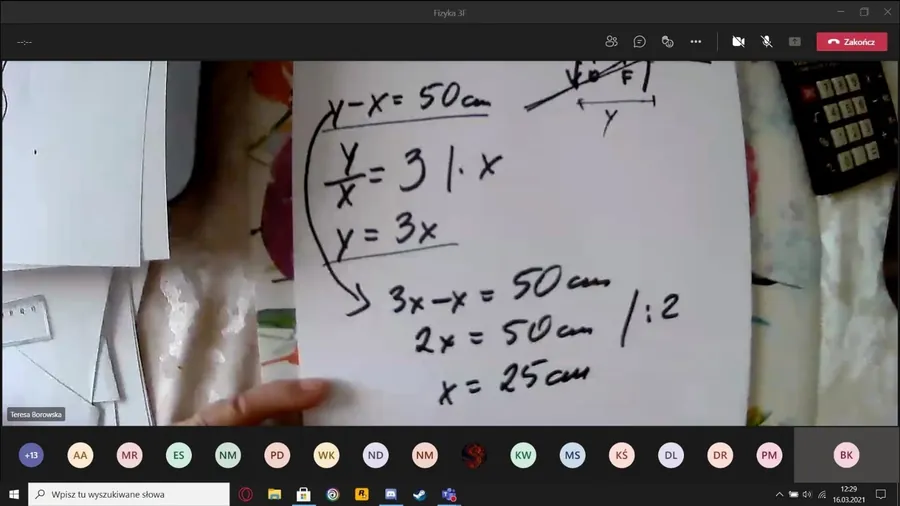
“What was supposed to be a year of making memories for me, like graduation, final exams, hanging out with friends, turned into online classes, cancelled events, and a lot of uncertainty. Instead of celebrating the end of school, I was stuck at home attending virtual lessons that felt more like watching YouTube lectures than actual learning,” says Szymon.
Even though he didn’t get any professional help with his mental health, he still managed to find ways to improve his situation. “What did help was slowly making small changes, Szymon recounts. “I forced myself to reconnect with friends and family. Even when I felt awkward.”
He started setting small goals for himself, just to bring some structure back into his life. “It wasn't instant, but over time I started feeling more like myself again.” He wishes he had reached out sooner.
“Even just talking to a friend or family member would have made a difference. Ignoring mental health doesn't make it go away for sure. It just makes it harder to pull yourself out when you finally realize you need some help.”
What COVID changed
Anna remembers her friends helped her with her learning difficulties, which eventually helped her “to move on.” But she says she didn’t get any mental help, even though she needed it at the time.
Still, the pandemic had a lasting impact on her life.
Because of the pandemic - and her family’s belief that “it wasn’t important” - Anna couldn’t follow her dream of studying graphic design. Instead, she took a gap year, struggling to find something that interested her. In a world where COVID never happened, Anna likes to imagine she would be finishing her degree in graphic design and “paint for people on a larger scale.”
Szymon thinks that he might have chosen a more traditional career if it weren’t for COVID, but he is still happy how things turned out. He also believes the hardships of the pandemic made him grow as a person. “In some ways, I'm grateful for the way COVID reshaped my perspective, even though it was a really tough experience. COVID didn't just change my daily life, it changed my mindset. [...] Now, I'm open to adapting, trying new things and making sure that whatever I do, it's something that actually brings me fulfillment.”
Szymon's and Anna's experience illustrates how millions of Polish students struggled with their education and mental health during COVID. The long-term impacts of this are yet to be fully understood.